What Is an Eye Stye?
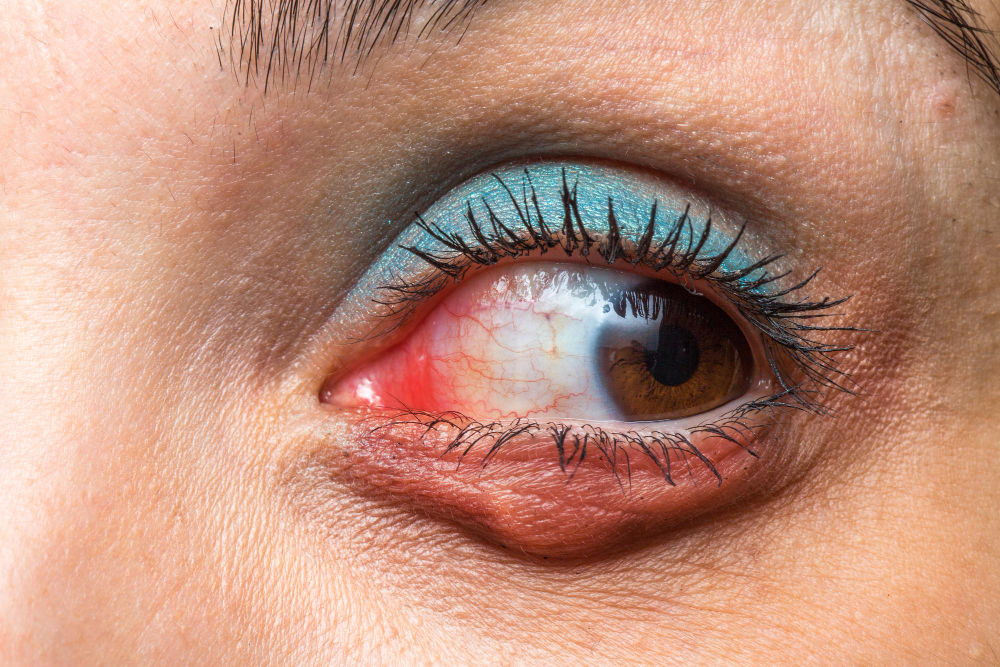
An eye stye is a small, red bump that forms on the edge of your eyelid. It often looks like a pimple. Usually, it happens when bacteria infect an oil gland or hair follicle near your eyelashes. Because of this, the area can swell and become painful. Eye styes are common and usually not serious. However, they can be uncomfortable and affect your daily life. Many people want to know how to treat an eye stye and how to prevent them from coming back.
Common Symptoms of an Eye Stye
Eye stye symptoms are easy to spot. For example, you may notice:
Sometimes, the area may also itch or burn. In most cases, only one eye is affected at a time. But, styes can happen on either the upper or lower eyelid.
Causes and Risk Factors
Most eye styes are caused by bacteria, usually Staphylococcus. These germs live on your skin but can cause problems if they get into a hair follicle or oil gland. Several factors can increase your risk:
In addition, stress and lack of sleep may also play a role. Because of these risks, good hygiene is very important.
How Eye Styes Are Diagnosed
Doctors usually diagnose an eye stye by looking at your eyelid. Most of the time, no special tests are needed. However, your doctor may ask about your symptoms and medical history. If the bump does not heal or keeps coming back, your doctor may check for other eye problems. In rare cases, further tests may be needed to rule out other conditions.
Treatment Options for Eye Styes
Most eye styes heal on their own within a week. But, there are ways to speed up healing and ease discomfort. Here are some common treatments:
If the stye does not improve, your doctor may prescribe antibiotic ointment or, in rare cases, drain the stye.
Home Remedies and Self-Care Tips
Many people ask about eye stye home remedies. While medical treatment is best, some self-care steps can help:
However, if the stye gets worse or does not heal, see a doctor.
Preventing Eye Styes
Preventing eye styes is possible with good habits. For example, you can:
Because these steps lower your risk, they are important for everyone, especially if you get styes often.
When to See a Doctor
Most eye styes are mild and heal at home. However, you should see a doctor if:
Early treatment can prevent problems and help you heal faster.
If you have symptoms of an eye stye, consult an eye specialist for personalized advice.