
What is Glaucoma?
Glaucoma is an eye disease that damages the optic nerve. This nerve sends images from your eye to your brain. Because the optic nerve is so important, any harm can affect your sight. Often, glaucoma develops slowly. Many people do not notice symptoms at first. However, regular eye exams can help catch it early. According to the World Health Organization (WHO), glaucoma is a leading cause of blindness worldwide.
How Glaucoma Affects Vision
Glaucoma usually increases pressure inside the eye. This pressure, called intraocular pressure, can harm the optic nerve. Over time, the nerve fibers die. As a result, you may lose parts of your vision. At first, you might lose side vision. Eventually, if untreated, central vision can also be affected. Because the process is slow, many people do not realize they are losing sight until it is advanced.
Can Glaucoma Cause Permanent Vision Loss?
Yes, glaucoma can cause permanent vision loss. Once the optic nerve is damaged, the lost vision cannot return. This is why early detection is so important. In fact, permanent blindness from glaucoma is possible if the disease is not treated. While treatment can slow or stop further damage, it cannot restore lost vision. Therefore, protecting your eye health is key.
Symptoms and Early Warning Signs
Many people with glaucoma do not notice symptoms at first. However, some warning signs may appear as the disease progresses. Early detection can help prevent severe vision loss. Watch for these symptoms:
If you notice any of these signs, see an eye specialist right away. Early action can make a big difference.
Diagnosis and Monitoring
Doctors use several tests to diagnose glaucoma. First, they measure eye pressure. Next, they check the optic nerve for damage. They may also test your side vision. Sometimes, they use special imaging to look at the nerve. Regular check-ups help track changes over time. Because glaucoma can be silent, routine eye exams are important, especially if you are over 40 or have a family history.
Treatment Options
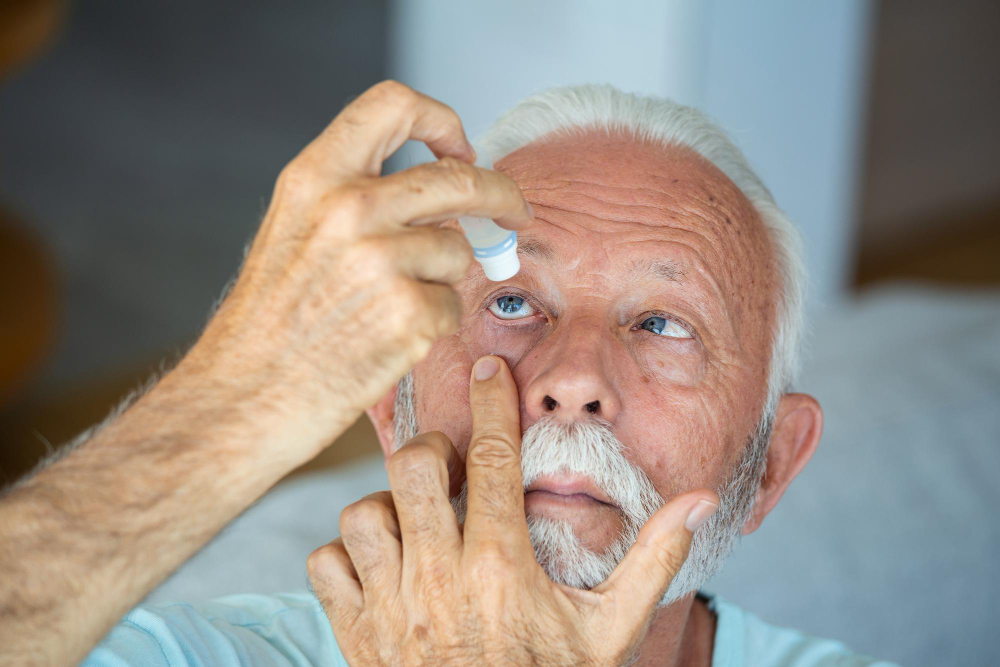
While glaucoma cannot be cured, treatment can help protect your vision. Doctors choose the best option based on your needs. Common treatments include:
With regular treatment, many people keep their vision for life. However, it is important to follow your doctor’s advice and attend all appointments.
Prevention and Eye Health Tips
Although you cannot always prevent glaucoma, you can lower your risk. Try these tips to protect your eyes:
Because early action matters, these steps can help keep your eyes healthy.
When to See an Eye Specialist
See an eye specialist if you notice any changes in your vision. Even if you have no symptoms, regular check-ups are wise. People over 40, those with a family history, or anyone with risk factors should be extra careful. Early diagnosis and treatment can prevent permanent vision loss from glaucoma.
For your best eye health, consult an eye specialist for personalized advice on glaucoma and vision protection.