
Introduction to Dry Eye Syndrome
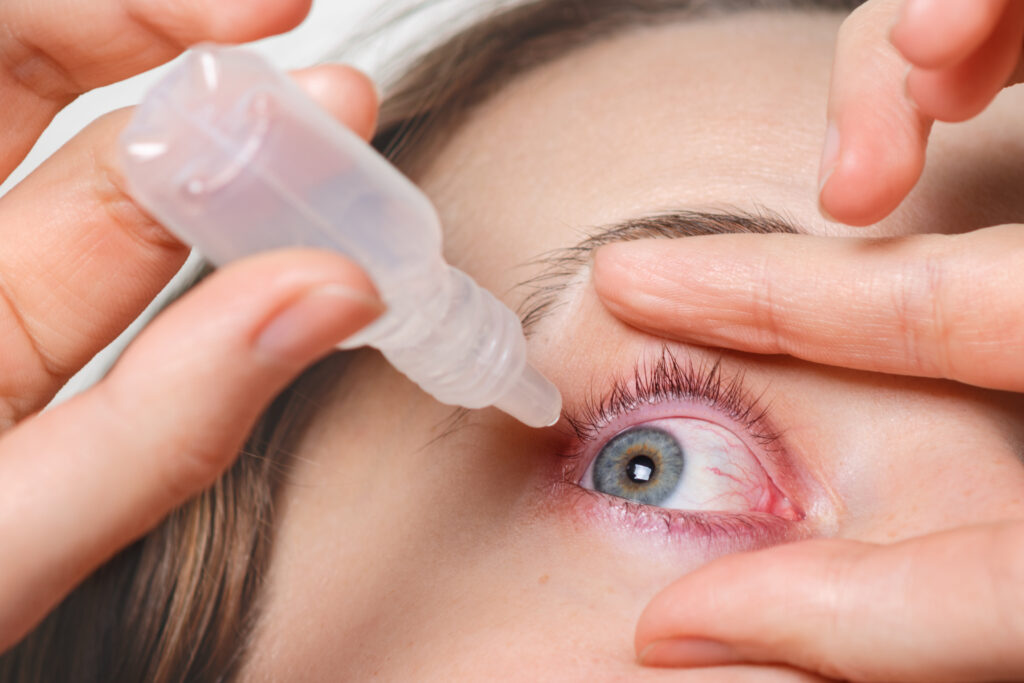
Dry Eye Syndrome is a common eye problem that affects many people. It happens when your eyes do not make enough tears, or the tears dry up too quickly. As a result, your eyes may feel dry, gritty, or uncomfortable. Because Dry Eye Syndrome can affect your daily life, it is important to know its causes, symptoms, and treatment options. According to the American Academy of Ophthalmology, millions of people worldwide deal with dry eyes each year.
Common Causes of Dry Eye Syndrome
Many factors can lead to Dry Eye Syndrome. Understanding these dry eye causes can help you protect your eyes. For example, age is a major factor. As people get older, tear production often decreases. In addition, women are more likely to get dry eyes, especially after menopause. Other common causes include:
Because these causes are common, it is important to be aware of your risk factors.
Recognizing Symptoms
Dry Eye Syndrome can cause many uncomfortable symptoms. However, not everyone will have the same signs. Some people may notice only mild discomfort, while others may have more severe problems. Common dry eye symptoms include:
If you notice these symptoms often, it may be time to seek help. Early treatment can prevent more serious issues.
Diagnosis and When to See a Doctor
Sometimes, dry eyes can be managed at home. However, if your symptoms last for more than a few days or get worse, you should see an eye care specialist. Early diagnosis is key to finding the right dry eye treatment options. During your visit, the doctor may:
Because some health conditions can cause dry eyes, your doctor may also suggest blood tests or other exams. According to the CDC, regular eye check-ups help catch problems early.
Effective Treatment Options
There are many ways to treat Dry Eye Syndrome. The best dry eye treatment options depend on the cause and how severe your symptoms are. For mild cases, simple steps may help. For example, using artificial tears or eye drops can add moisture. In more serious cases, your doctor may suggest:
Because each person is different, your doctor will help you choose the best plan.
Lifestyle Tips and Prevention
While treatment is important, you can also take steps to prevent dry eyes. Here are some easy tips on how to prevent dry eyes:
Because small changes can make a big difference, try to include these habits in your daily routine.
Frequently Asked Questions
Can Dry Eye Syndrome go away on its own?
Sometimes, mild dry eyes may improve with rest or lifestyle changes. However, if symptoms last, it is best to see a doctor.
Are dry eyes dangerous?
Usually, dry eyes are not dangerous. But if left untreated, they can lead to infections or damage to the eye surface.
Can I wear contact lenses with dry eyes?
Some people with dry eyes can wear special contact lenses. However, you should talk to your eye doctor first.
What is the best dry eye treatment?
The best treatment depends on the cause and your symptoms. Your doctor can help you find the right option.
Conclusion and Next Steps
Dry Eye Syndrome is a common and treatable condition. Because it can affect your comfort and vision, it is important to know the causes, symptoms, and treatment options. If you have ongoing dry eye symptoms, do not wait. Consult an eye care specialist for personalized advice on managing Dry Eye Syndrome. Early care can help protect your eyes and improve your quality of life.