

Introduction to Refractive Errors
Many people experience blurry vision at some point. Often, this is due to refractive errors. These are common vision problems that affect people of all ages. In this blog, you will learn about the types of refractive errors, their symptoms, causes, and how to correct them. Understanding these issues can help you take better care of your eyes.
What Are Refractive Errors?
Refractive errors happen when the eye cannot focus light correctly. As a result, images appear blurry. Usually, this occurs because the shape of the eye changes how light bends inside it. According to the World Health Organization (WHO), refractive errors are a leading cause of vision problems worldwide. However, most refractive errors can be corrected easily.
Main Types of Refractive Errors
There are four main types of refractive errors. Each type affects vision in a different way. Let’s look at them:
Symptoms of Refractive Errors
Refractive errors can cause several symptoms. However, some people may not notice any problems at first. Common symptoms include:
If you notice these symptoms, it is important to get an eye exam. Early detection can help prevent further vision problems.
Causes and Risk Factors
Several factors can lead to refractive errors. For example, the shape of your eye or cornea may be different from normal. Genetics also play a role, so if your parents have vision problems, you may too. Other risk factors include:
Although you cannot control some risk factors, regular eye check-ups can help catch problems early.
Diagnosis and Eye Exams
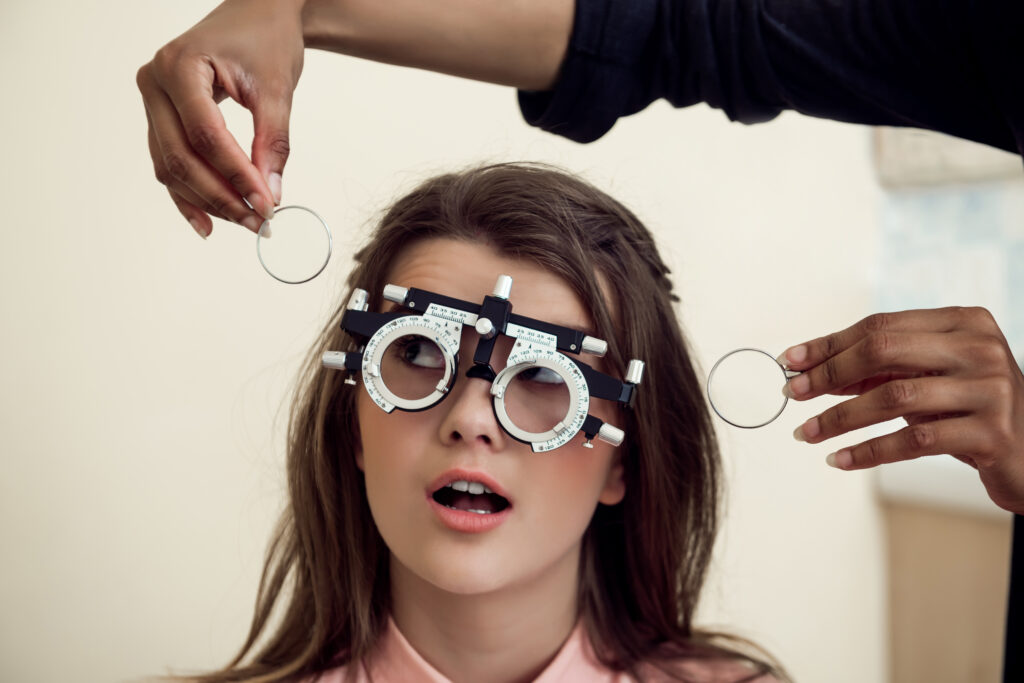
To diagnose refractive errors, eye doctors use simple tests. For instance, they may ask you to read letters on a chart. They might also use special tools to measure how your eyes focus light. These exams are quick and painless. In addition, regular eye exams help detect other eye health issues early.
Treatment Options
There are several ways to correct refractive errors. Your eye doctor will suggest the best option for you. Common treatments include:
Each option has pros and cons. Therefore, it is important to discuss them with your eye specialist.
Prevention and Eye Care Tips
While you cannot always prevent refractive errors, you can protect your eye health. Here are some helpful tips:
By following these eye health tips, you can keep your vision clear and reduce eye strain.
Conclusion
To sum up, refractive errors are common vision problems that can affect anyone. However, with regular eye exams and proper treatment, most people can enjoy clear vision. If you notice changes in your vision, consult an eye specialist for personalized advice.