
What is Presbyopia?
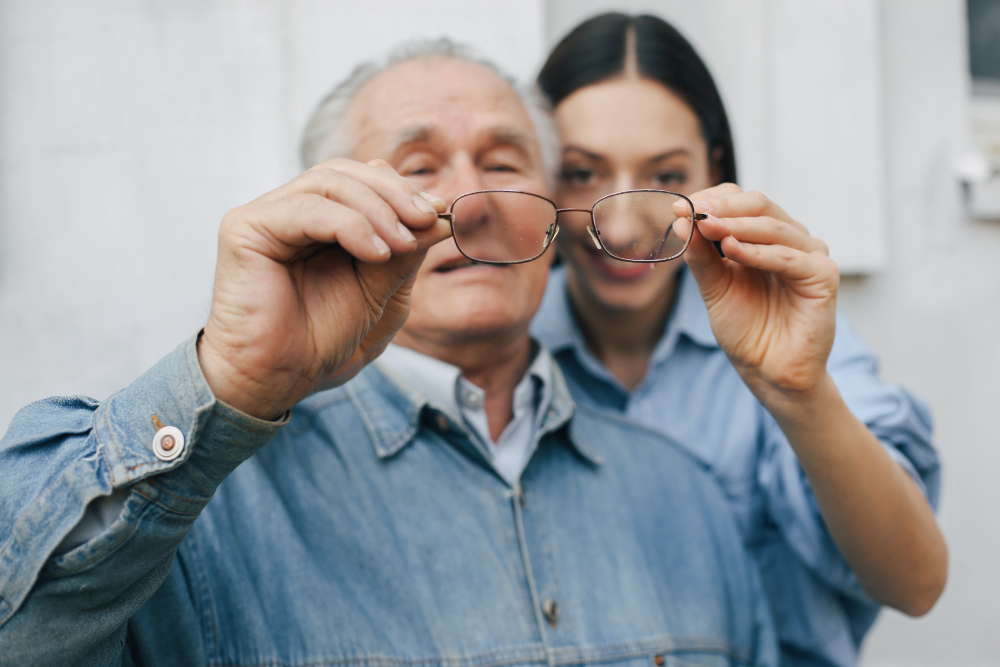
Presbyopia is a common eye condition that makes it hard to see things up close. Most people notice presbyopia after 40. As we age, our eyes slowly lose the ability to focus on nearby objects. For many, this means reading small print or using a phone becomes difficult. Although presbyopia is a normal part of aging, it can be managed with the right care.
Why Does Reading Get Harder After 40?
After age 40, you may find it harder to read books or menus. This happens because the lens inside your eye becomes less flexible. As a result, your eyes cannot change focus as easily as before. Over time, this makes close-up tasks more challenging. For example, you might need to hold reading material farther away to see it clearly. While this change is natural, it can be frustrating.
Symptoms of Presbyopia
Presbyopia causes several noticeable symptoms. Often, these signs appear slowly. However, they can affect daily life. Common symptoms include:
If you notice these symptoms, it may be time for an eye exam.
Causes and Risk Factors
Presbyopia is mainly caused by aging. As you get older, the lens in your eye hardens and loses flexibility. This makes it tough to focus on nearby objects. In addition, some factors can increase your risk:
Although everyone develops presbyopia with age, these factors may cause it to appear sooner.
Diagnosis of Presbyopia
To diagnose presbyopia, an eye specialist will perform a simple eye exam. During the test, you will read letters or numbers on a chart. The doctor may also use special lenses to check your near vision. Because presbyopia is common, regular eye exams after age 40 are important. Early diagnosis helps you manage symptoms and keep your eyes healthy.
Treatment Options
There are several ways to treat presbyopia. Your eye doctor will help you choose the best option. Common presbyopia treatment options include:
Because each treatment has pros and cons, it is best to discuss them with your eye specialist.
Lifestyle Tips and Prevention
While you cannot prevent presbyopia, you can make daily life easier. For example, try these tips:
Although presbyopia is part of aging, these habits can help you manage symptoms and protect your vision.
When to See an Eye Specialist
If you notice sudden changes in your vision, see an eye specialist right away. For instance, if you have eye pain, flashes of light, or loss of vision, seek help quickly. Even if symptoms are mild, regular check-ups are important. Early care can prevent other eye problems and keep your eyes healthy as you age.
In summary, presbyopia is a normal part of getting older. However, with the right treatment and lifestyle changes, you can keep reading and enjoying life. Consult an eye specialist for personalized advice on managing presbyopia.