
What Is a Chalazion?
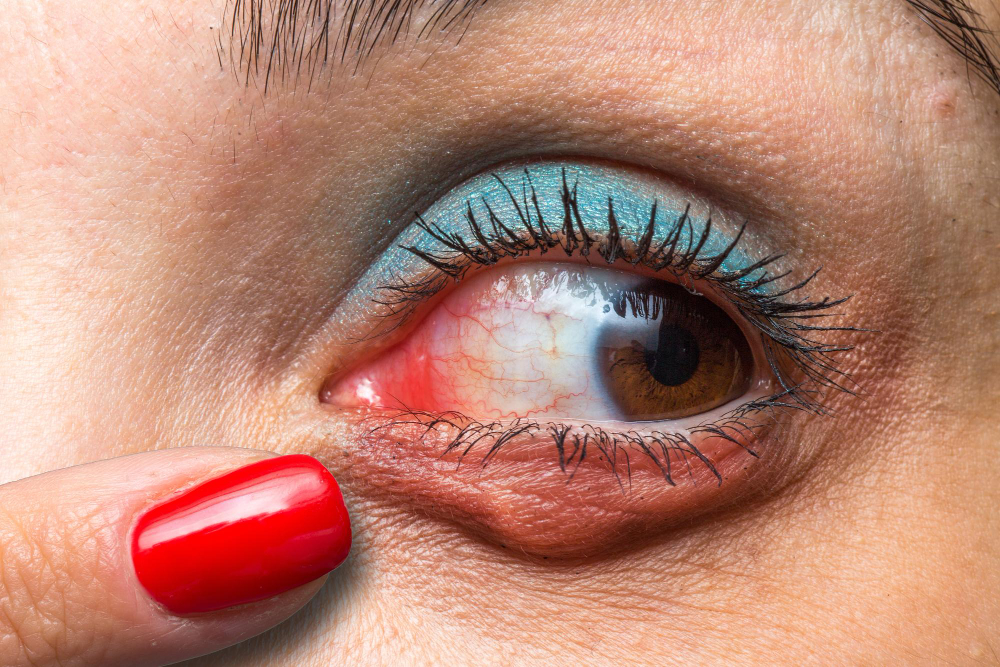
A chalazion is a small, painless bump that forms on your eyelid. It happens when an oil gland in the eyelid gets blocked. Because of this blockage, oil builds up and causes swelling. Although a chalazion is not usually serious, it can be uncomfortable. Many people confuse it with a stye, but they are different. While a stye is often painful and caused by infection, a chalazion is usually not painful and is not caused by bacteria. Still, it is important to know the difference. Chalazion can affect anyone, but it is more common in adults than in children.
Common Symptoms of Chalazion
At first, you may not notice any symptoms. However, as the chalazion grows, you might see or feel changes in your eyelid. For example, you may notice:
Unlike a stye, a chalazion is usually not painful. But if it gets infected, pain and tenderness can develop. In adults, chalazion symptoms may last longer than in children. Therefore, it is important to watch for changes and seek help if needed.
Causes and Risk Factors
Chalazion forms when the oil glands in your eyelid become blocked. These glands, called meibomian glands, help keep your eyes moist. But sometimes, oil or debris can clog them. As a result, a bump forms. Several factors can increase your risk of getting a chalazion:
In addition, people with certain medical conditions, such as diabetes, may be more likely to develop chalazion. According to the American Academy of Ophthalmology, keeping your eyelids clean can help lower your risk.
How Is Chalazion Diagnosed?
Doctors usually diagnose chalazion by looking at your eyelid. First, your eye specialist will ask about your symptoms. Next, they will examine your eyelid for swelling, redness, or a bump. Most of the time, no special tests are needed. However, if the bump does not go away or looks unusual, your doctor may suggest further tests. For example, they may check for other eye problems or rare conditions. Early diagnosis helps prevent complications and guides the right treatment.
Treatment Options for Chalazion
Most chalazia go away on their own within a few weeks. However, there are several chalazion treatment options to help speed up healing and reduce discomfort:
If the chalazion does not improve after a few weeks, your doctor may suggest other treatments. These may include:
According to the Centers for Disease Control and Prevention (CDC), most people recover fully with simple care. But, if you have frequent or large chalazia, see an eye specialist for advice.
Tips for Prevention and Eye Care
While you cannot always prevent a chalazion, you can lower your risk. Here are some helpful tips on how to prevent chalazion and keep your eyes healthy:
In addition, if you wear contact lenses, clean them as directed. Good eye care habits can help prevent many eyelid problems, including chalazion.
If you notice symptoms of a chalazion, consult an eye specialist for personalized advice.