

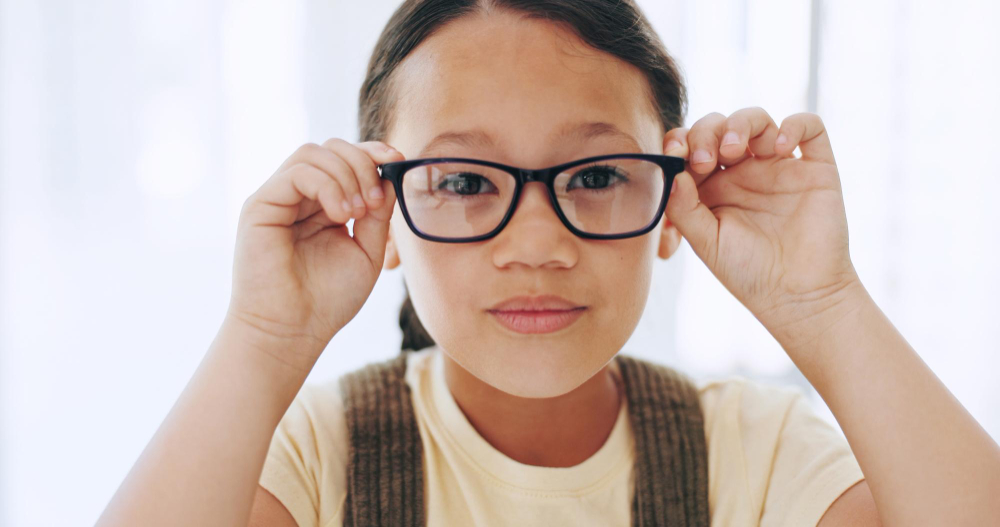
What is Amblyopia (Lazy Eye)?
Amblyopia, also called lazy eye, is a common vision problem in children. In this condition, one eye does not develop normal vision. As a result, the brain starts to favor the stronger eye. Over time, the weaker eye gets even less use. Because of this, early treatment for amblyopia is very important. Without it, vision loss can become permanent.
Common Symptoms of Amblyopia
Often, amblyopia is hard to notice at first. However, some signs can help parents spot it early. For example, children may:
Sometimes, there are no clear symptoms. Therefore, regular eye exams are important for all children.
Causes and Risk Factors
Several factors can lead to amblyopia. Most often, it happens when the eyes send different images to the brain. As a result, the brain ignores the weaker eye. Common causes include:
Additionally, some children are at higher risk. For instance, those with a family history of lazy eye or premature birth may develop amblyopia more easily.
How Amblyopia is Diagnosed
Eye specialists use simple tests to check for amblyopia. Usually, they test each eye’s vision separately. Sometimes, they use eye drops to widen the pupils. This helps them see inside the eye better. Early diagnosis is key. Because children may not notice vision problems, regular eye exams are important, especially before age five.
Importance of Early Detection and Treatment
Early detection of amblyopia can make a big difference. When treatment starts early, children have a much better chance of full recovery. In fact, the brain is more flexible in young children. Therefore, it can learn to use the weaker eye if treated soon. If left untreated, vision loss can become permanent. So, acting quickly is vital for your child’s eye health.
Effective Treatment Options for Amblyopia
There are several proven treatments for amblyopia. Your eye doctor may suggest one or more of these:
With regular follow-up, most children improve greatly. However, treatment works best when started early.
Tips for Parents and Caregivers
Parents play a big role in helping children with amblyopia. Here are some helpful tips:
Because early support makes treatment easier, stay positive and patient throughout the process.
Prevention and Long-Term Outlook
While not all cases can be prevented, early eye exams help catch problems before they get worse. For most children, early treatment leads to good vision in both eyes. However, some may need ongoing care. Therefore, regular check-ups are important even after treatment ends. With the right care, children with amblyopia can enjoy healthy vision for life.
Consult an eye specialist promptly if you notice signs of amblyopia in your child for the best possible outcome.
Sources: Centers for Disease Control and Prevention (CDC), World Health Organization (WHO), American Academy of Ophthalmology