
Introduction
Routine eye exams are regular checkups with an eye doctor. These exams help keep your eyes healthy. Many people do not realize how important routine eye exams are. In fact, they can spot problems early, even before you notice any changes. Because of this, routine eye exams matter for everyone, not just those with vision problems. Regular eye health checkups can protect your sight for years to come.
What Are Routine Eye Exams?
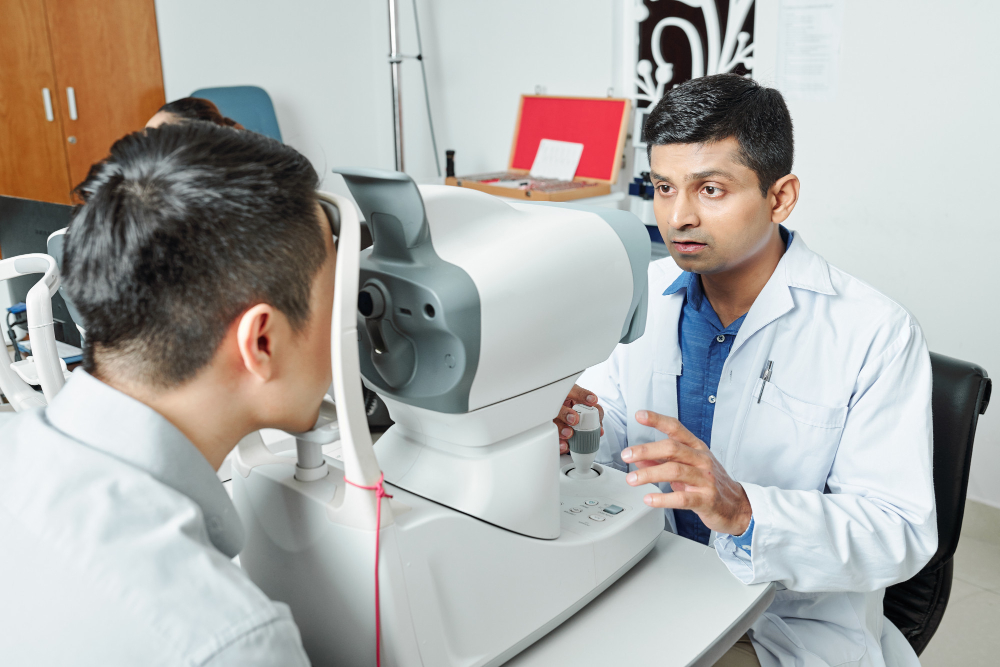
Routine eye exams are visits to an eye care professional. During these visits, your eyes are checked for vision and health issues. For example, the doctor may test how well you see and look for signs of eye diseases. These exams are simple and painless. Most people can have them done in less than an hour. Even if you feel your vision is fine, routine eye exams can find hidden problems.
Key Benefits of Regular Eye Checkups
There are many benefits to having regular eye checkups. Not only do they help you see better, but they also protect your overall health. Here are some key benefits:
Because of these benefits, routine eye exam benefits go beyond just vision correction.
Common Eye Conditions Detected Early
Many eye diseases do not show symptoms at first. However, routine eye exams can catch them early. Some common conditions found during exams include:
Early detection of eye diseases gives you a better chance to keep your vision.
What to Expect During an Eye Exam
Many people feel nervous before an eye exam. However, knowing what to expect can help. During a routine eye exam, the doctor will usually:
Sometimes, the doctor may use drops to widen your pupils. This helps them see the back of your eye more clearly. Most tests are quick and do not hurt.
How Often Should You Get an Eye Exam?
How often to get an eye exam depends on your age and health. The American Academy of Ophthalmology suggests:
Because everyone is different, your doctor may suggest a different schedule. For those living in busy cities, routine eye exams in your area are easy to find. Check with local clinics for appointments.
Tips for Maintaining Eye Health
Besides routine eye exams, there are simple ways to keep your eyes healthy. For example:
These tips, along with regular eye health checkups, can help you keep your vision strong.
Prevention and Early Detection
Prevention is always better than cure. Because many eye diseases can be silent, early detection is key. Routine eye exams help find problems before they get worse. As a result, you have more options for treatment. According to the CDC, millions of people in the U.S. have undiagnosed eye problems. Regular checkups can help lower this number and protect your sight.
In summary, routine eye exams matter for everyone. They help keep your eyes healthy and catch problems early. Do not wait for symptoms to appear. Schedule a routine eye exam with a qualified ophthalmologist to protect your vision.