

Introduction
Pediatric squint, also called childhood eye misalignment, is a common eye problem in children. In this condition, the eyes do not look in the same direction. As a result, one or both eyes may turn in, out, up, or down. Early detection is important because untreated squint can affect vision. In this guide, you will learn about pediatric squint, squint symptoms in children, causes, and treatment options for pediatric squint. Understanding these basics can help parents take the right steps for their child’s eye health.
What is Pediatric Squint?
Pediatric squint, also known as strabismus, means the eyes are not aligned properly. Usually, both eyes move together and focus on the same object. However, with squint, one eye may point in a different direction. This can happen all the time or only sometimes. There are several types of pediatric squint:
Each type can affect a child’s vision and confidence. Therefore, early care is important.
Common Symptoms and Signs
Recognizing squint symptoms in children helps with early treatment. Some children may show clear signs, while others may not. However, parents should watch for these symptoms:
If you notice any of these signs, it is best to consult an eye specialist.
Causes and Risk Factors
There are many reasons why a child may develop a squint. Sometimes, it is present at birth. Other times, it develops later. Common causes and risk factors include:
Because some causes are genetic, regular eye checks are important for children with a family history of squint.
How Pediatric Squint is Diagnosed
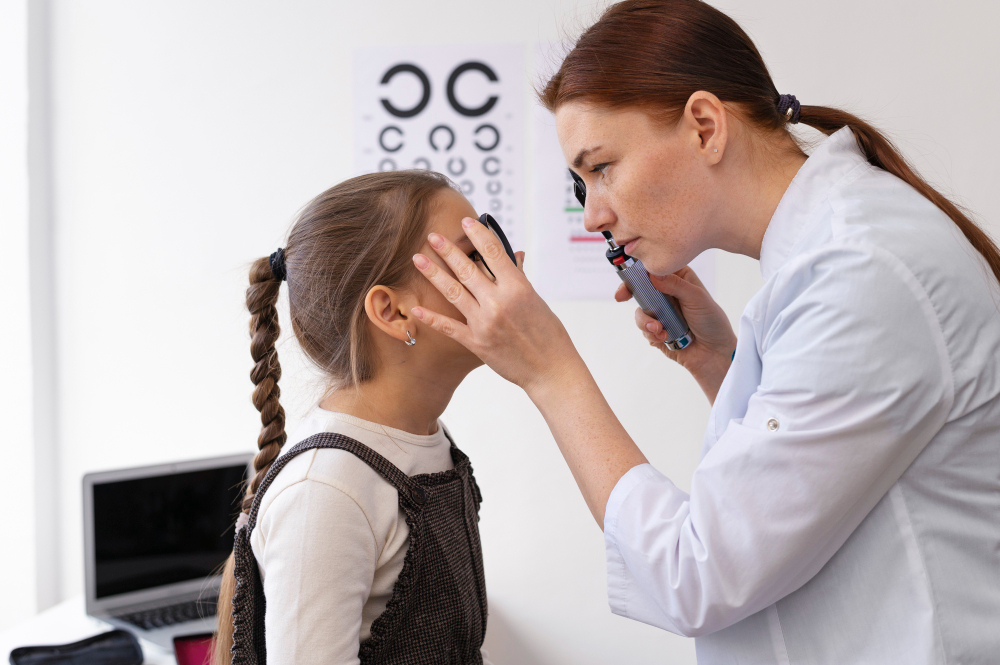
Early diagnosis helps prevent vision loss. Usually, an eye specialist will perform a full eye exam. The doctor may use special lights and tools to check how the eyes move. Sometimes, eye drops are used to help see the inside of the eye. Tests may include:
According to the American Academy of Ophthalmology, early screening is key for all children, especially if there is a family history.
Treatment Options
Treatment options for pediatric squint depend on the type and cause. The main goal is to align the eyes and improve vision. Common treatments include:
Often, a combination of treatments is used. Your eye specialist will suggest the best plan for your child.
Home Care and Lifestyle Tips
Along with medical treatment, home care can support your child’s progress. Here are some helpful tips:
With support at home, children often respond better to treatment.
Prevention and Early Detection
While not all cases can be prevented, early detection helps protect vision. Therefore, parents should:
According to the World Health Organization, early treatment can prevent long-term vision problems in many children.
When to See an Eye Specialist
It is important to see an eye specialist if you notice any signs of squint. In addition, seek help if your child complains of double vision, headaches, or trouble seeing. Early visits can make a big difference. Even if you are unsure, it is better to check with a professional. Regular eye checks are important for all children, especially those with risk factors.
Conclusion
Pediatric squint is a treatable condition when caught early. Because every child is different, treatment plans may vary. If you notice any signs of childhood eye misalignment, consult an eye specialist for personalized advice. Early care helps protect your child’s vision and confidence.