

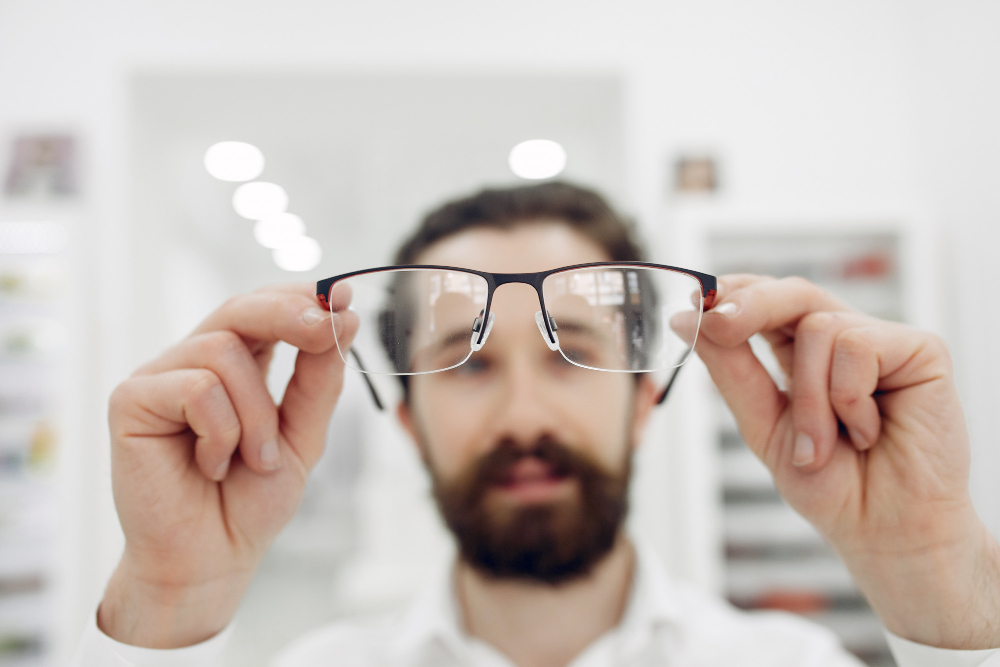
What Are Progressive Lenses?
Progressive lenses help people see clearly at all distances. Unlike regular glasses, these lenses have no visible lines. Instead, they blend different strengths in one lens. For example, you can read, use a computer, and see far away without changing glasses. Because of this, many people find them very convenient. Progressive lenses are often used for vision correction as people age. According to the American Academy of Ophthalmology, they are a popular choice for those with presbyopia, a common age-related vision change.
Who Should Consider Progressive Lenses?
Many adults notice changes in their vision as they get older. If you need different glasses for reading and distance, you may benefit from progressive lenses. In fact, people over 40 often start to need help seeing things up close. This is a normal part of aging. Additionally, if you want a single pair of glasses for all tasks, progressive lenses are a good option. Even younger people with special vision needs may use them. However, most users are adults with presbyopia.
Signs You May Need Progressive Lenses
Sometimes, it is hard to know when you need new glasses. However, there are clear signs that progressive lenses may help:
If you notice these problems, it may be time to consider progressive lenses. For example, if you often switch between reading and driving, these lenses can make life easier.
Benefits of Progressive Lenses
Progressive lenses offer many advantages over traditional bifocals or reading glasses. First, they provide a smooth change in vision from near to far. This means you do not see any lines on the lens. Also, you only need one pair of glasses for all activities. Because of this, many people find them more comfortable and stylish. In addition, progressive lenses can reduce eye strain. They also help you see clearly at every distance, which is important for daily tasks. According to the CDC, good vision is key for safety and quality of life.
How to Get Fitted for Progressive Lenses
Getting the right fit is important for comfort and clear vision. First, visit an eye care specialist for a full eye exam. They will check your vision and measure your eyes. Next, they will help you choose frames that fit well. The lenses must be placed correctly in the frames for best results. After that, your glasses will be made just for you. It may take a few days to get used to them, but a good fit makes a big difference. Always follow your eye doctor’s advice during this process.
Tips for Adjusting to Progressive Lenses
Adjusting to new glasses can take time. However, these tips can help you get used to progressive lenses faster:
Because everyone is different, some people may need more time. But with patience, most people adjust well.
Frequently Asked Questions
Are progressive lenses better than bifocals?
Progressive lenses have no visible lines and offer a smooth change in vision. Many people prefer them for comfort and style. However, some may still choose bifocals for personal reasons.
Can anyone use progressive lenses?
Most adults with presbyopia can use them. However, your eye doctor will decide if they are right for you. Children rarely need progressive lenses.
How long does it take to adjust?
Most people adjust within one to two weeks. However, some may need more time. If you have trouble, talk to your eye care specialist.
Do progressive lenses cost more?
Yes, they usually cost more than single-vision or bifocal lenses. But many people find the benefits worth the price.
In summary, progressive lenses are a great choice for many adults who want clear vision at all distances. They are especially helpful for those with presbyopia or anyone tired of switching glasses. Consult an eye care specialist to find out if progressive lenses are right for you.